Apple Forecasts 45% Margin as Memory Costs Surge — Ternus's First Earnings Call Also Admits the iPhone Duo Can't Be Supplied on Any Timeline
A record $114.5 billion September quarter came with the weakest margin forecast Apple has given in about three years.
Apple reported its September-quarter results on November 2, 2026, and the headline number was a good one: $114.5 billion in revenue, up 12% from a year earlier, a September-quarter record. iPhone revenue reached $57.58 billion, according to 9to5Mac's breakdown of the report, and MacRumors puts that at 17% growth. Services, at $31.57 billion, hit an all-time high. Gross margin was 47.9%, and Apple notes that figure includes a favorable impact of about one percentage point from tariff refunds. Diluted earnings per share were $2.10, up 14%.
The part that moved the stock came after the numbers. Apple's CFO, Kevan Parekh, guided December-quarter gross margin to 45–46%, below the 46.3% average analyst estimate from LSEG that CNBC cites. CNBC adds that the midpoint would be Apple's lowest gross margin since the fiscal fourth quarter of 2023. Apple also expects December-quarter revenue growth of 7–10%, which MacRumors reports Apple described as the best quarter for revenue in its history. Shares fell after hours and slid about 2% on Tuesday, per CNBC.
Why memory is the story
Parekh attributed the margin pressure to "primarily the impact of higher memory costs, as well as some costs related to the ramp of Siri AI," in CNBC's account of the call. CEO John Ternus, on his first earnings call in the job, was blunter: "What we're seeing with memory pricing right now is unprecedented," and "looking beyond the December quarter, we see the pricing for memory purchases continuing to increase." For anyone shopping for a phone, tablet or laptop, that is the sentence that matters. RAM and flash storage sit in every device Apple sells, and a supplier price that keeps rising is a cost that has to land somewhere.
Apple has already pushed some of it onto buyers. MacRumors reports the company raised prices in June and again in September; CNBC says the September move added $100 to iPhone prices. Apple says those increases, together with carry-in inventory and lower costs for non-memory components, offset part of the memory hit, but not all of it. Apple did not announce new price changes on the call, so this is a forecast about costs, not a price list. Whether another round follows is a question the company has not answered.
What is still hard to buy
Supply is the second half of the story. According to MacRumors, Apple expects Mac and iPad constraints in the December quarter, "primarily driven by memory because demand has been higher than expected." In the September quarter, iPhone, iPad and Mac were all supply-constrained; COO Sabih Khan tied that to demand plus limited advanced-node chip capacity, which MacRumors says is easing as more products move to 2nm chips. For a buyer, the practical reading is that holiday-season delivery dates on some Macs and iPads may slip, and that waiting for a discount is a weaker bet than it used to be.
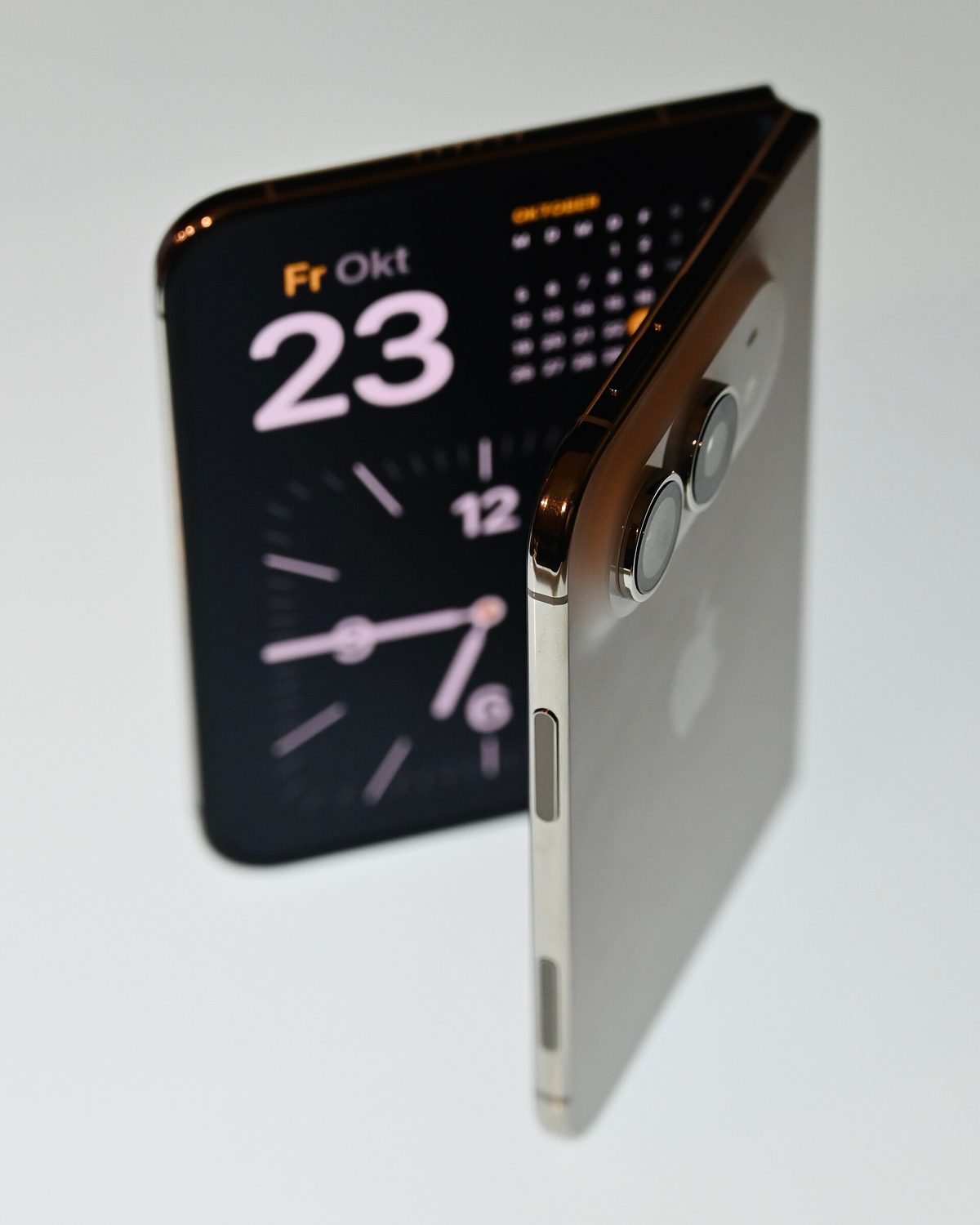
The iPhone Duo, Apple's first foldable, is the sharpest example. Ternus told Reuters that the Duo is constrained and that Apple is not able to predict when supply and demand will be in balance; that quote is as relayed by MacRumors and 9to5Mac, not from a transcript we have read. Ternus also acknowledged display issues, saying a "very small percentage" of units have been returned, per MacRumors. Apple has given no unit count for the returns, so the scale of the problem is unknown. We covered the order caps and the shift of shipping dates into January last month; nothing on the call changed that picture.
The caveats are worth stating plainly. Guidance is a forecast, and Apple's December quarter will include the first meaningful iPhone Duo sales, so the margin figure could land differently. The memory-cost warning is also an Apple-specific view: it describes what Apple pays, not what a retailer will charge for a given device next week. What the call does establish, on the record, is that the company expects its costs to rise further and its supply to stay tight on several product lines through the end of the year.
Related devices
Related articles
- Apple Caps iPhone Duo Orders at 2, Ships Push to January — Demand for Apple's First Foldable Outstripped Supply Within Minutes of Preorders Opening
- iPhone Duo Launch: Ternus's First as Apple CEO — He Opened the Austin Store Instead of the Fifth Avenue Flagship Tim Cook Always Chose
- Apple's First Touchscreen MacBook Pro Costs $2,899 — $400 More Than the Non-Touch Version, With a Dynamic Island Borrowed From the iPhone
- Verizon's iPhone Handoff Fee: $10/Month, Double T-Mobile — The Feature Works With the iPhone Duo and iPhone 18 Pro, and AT&T Isn't Supporting It at All