Pixel 6 End of Support: October 2026 Likely the Last Update — What Owners Should Do
The October update rolled out on October 6 with three bug fixes and 34 security patches. Under Google's own five-year policy, it should be one of the last the 2021 flagships receive.
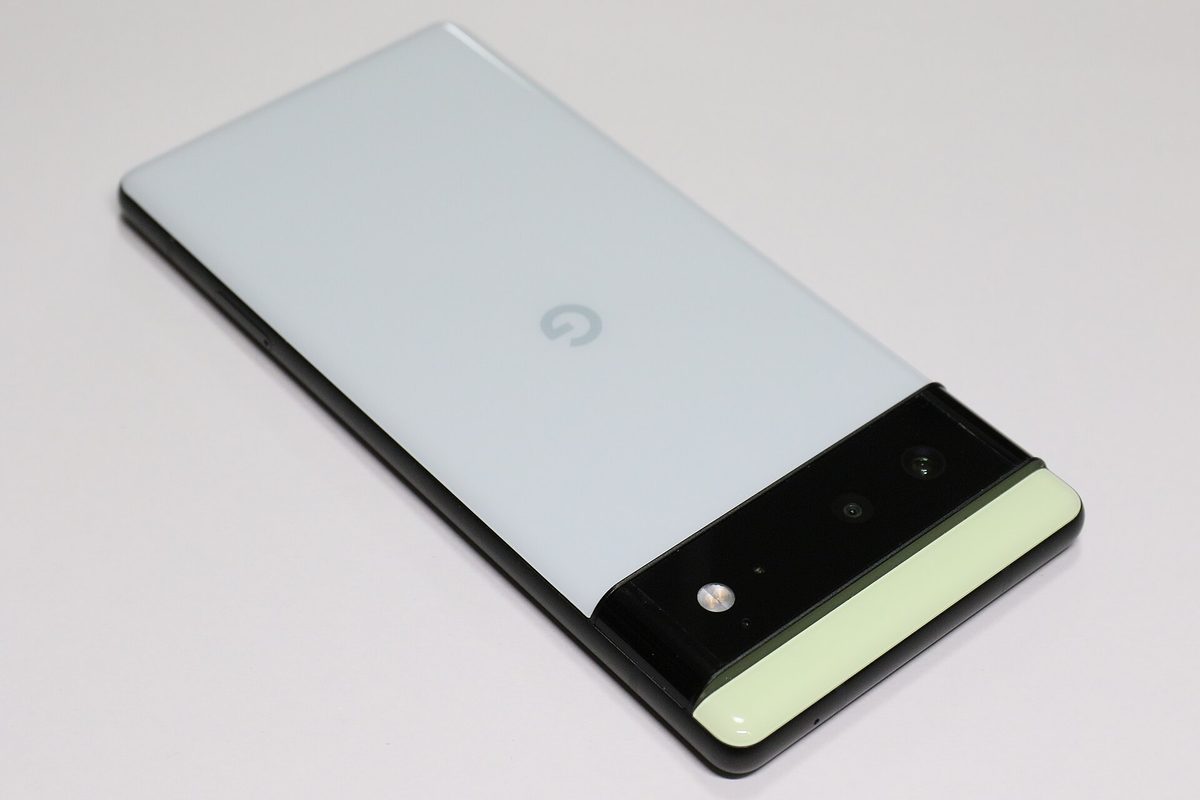
Google began rolling out its October 2026 Pixel update on October 6, and for owners of the Pixel 6 and Pixel 6 Pro it carries more weight than the short changelog suggests. Google's support page promises these phones five years of Android version and security updates, counted from the date each first went on sale on the US Google Store. The Pixel 6 and 6 Pro reached US buyers in late October 2021, which puts the end of that window this month. Android Police, which reported the release, notes the update "should mark the end of regular software support" for the pair, although Google has not publicly labeled it the final one.
The update itself is small. According to Android Police, it reaches every supported Pixel running Android 17, from the Pixel 6 series through the new Pixel 11 lineup, and fixes three bugs: the on-screen keyboard failing to appear in some search fields, distorted ringtone audio during VoIP calls, and photos and videos saving in the wrong orientation. The security side is larger, with 28 Android vulnerabilities and six Pixel-specific issues patched. If your Pixel 6 hasn't installed it yet, it's worth doing now, because it is likely the most up-to-date your phone will ever be.
What end of support changes in practice is narrower than it sounds, but it matters. The phone keeps working, your apps keep running, and nothing is switched off. What stops is the monthly flow of security patches and new Android versions, so vulnerabilities discovered after this point stay open on the Pixel 6. That risk grows month by month rather than arriving all at once, and it matters most if the phone handles banking, work email, password managers or two-factor codes. Some apps also raise their minimum Android or security-patch requirements over time, which is how an unsupported phone eventually loses access to services it still runs today.
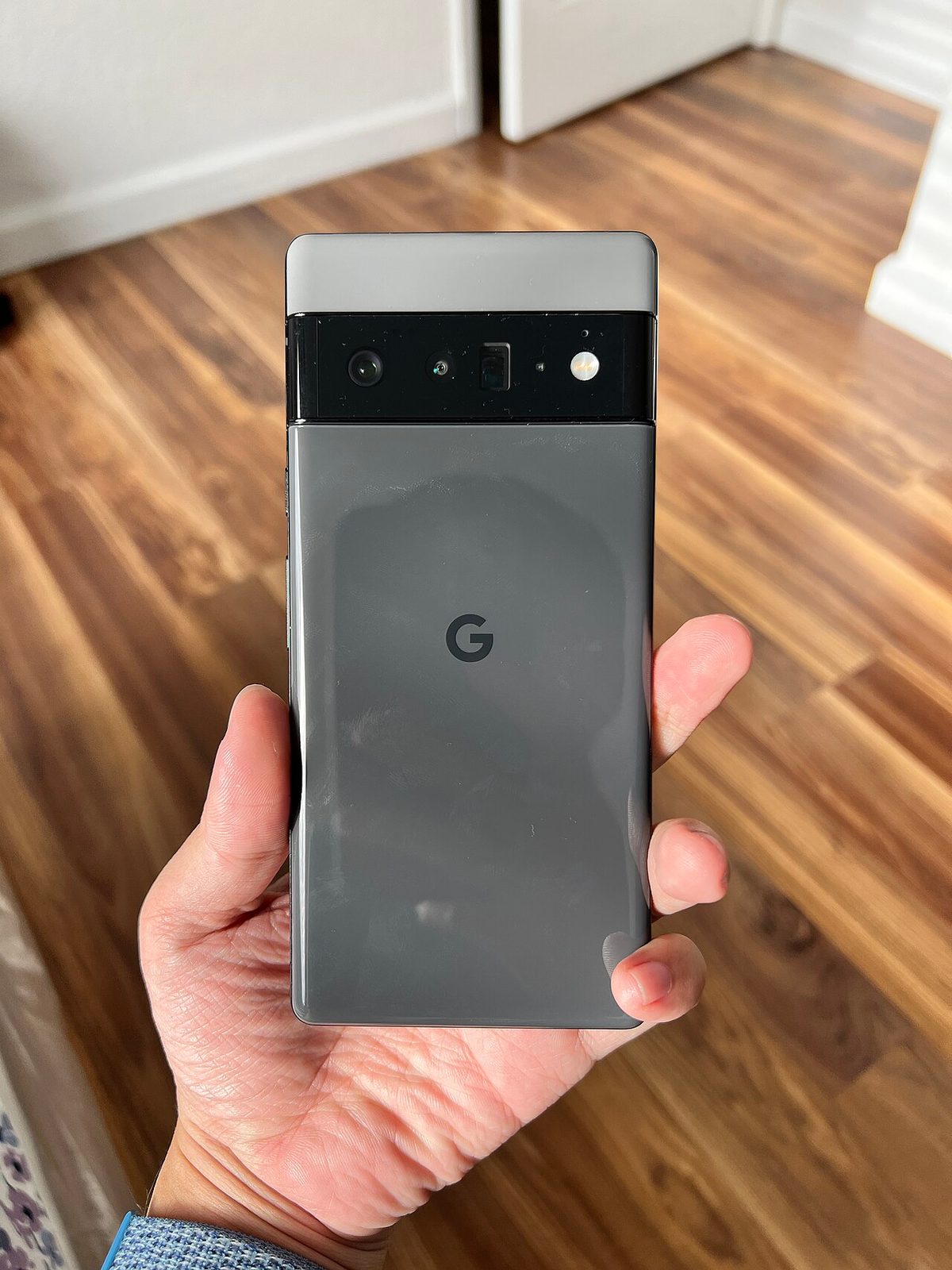
Not every Pixel from that era is in the same position. Google's five-year promise covers the whole group of 2021-2023 Pixels, but the clock starts at each model's own US launch. The Pixel 6a, which went on sale in July 2022, and the Pixel 7 and 7 Pro, from October 2022, therefore have roughly another year left. Phones from the Pixel 8 onward are on Google's longer seven-year policy, which is why the Pixel 11 and the current Pixel 10a have far more runway than anything bought in 2021.
For Pixel 6 owners deciding what to do, timing is the main variable. A phone you mostly use for calls, maps and photos can reasonably stay in service for months, as long as you keep apps updated and avoid sideloading. If the Pixel 6 is your main device for money and accounts, planning a replacement around the end of the year is the safer call. The obvious Google upgrade is the Pixel 10a, but its price changed recently: as of October 2, Google lists it at $599 for 128 GB, $100 more than at launch. A Pixel 11a has also leaked with Google's Tensor G6 chip, so buyers who can wait may see a newer midrange option, though its price and date aren't known.
One caveat: Google has sometimes shipped an extra patch or a late fix to phones just past their stated window, and it has not said whether the Pixel 6 will get anything after October. If a November security update does arrive for the Pixel 6 or 6 Pro, we'll update this article. Until then, the safe assumption is that the October 2026 patch is the last regular update these phones will receive.
Related devices
Related articles
- Google Raises the Pixel 10a to $599, a $100 Increase That Takes It Out of the Under-$500 Class
- Pixel 11a Leak Shows the Same Design With a Tensor G6 Chip and a Purple Option
- Pixel 10a vs Galaxy A57: Which Should You Buy in 2026? The Pixel Outlasts and Outruns, the Samsung Is Bigger, Slimmer and Now $50 Cheaper
- iPhone Duo Launch: Ternus's First as Apple CEO — He Opened the Austin Store Instead of the Fifth Avenue Flagship Tim Cook Always Chose