iPhone Duo vs Galaxy Z Fold8: Which Should You Buy? They're $100 Apart, and the Cheaper One Is Also 53 Grams Lighter
Apple's first foldable iPhone and Samsung's eighth-generation Fold land with nearly identical inner-screen sizes but very different weights, prices, and ideas about how you unlock the thing.
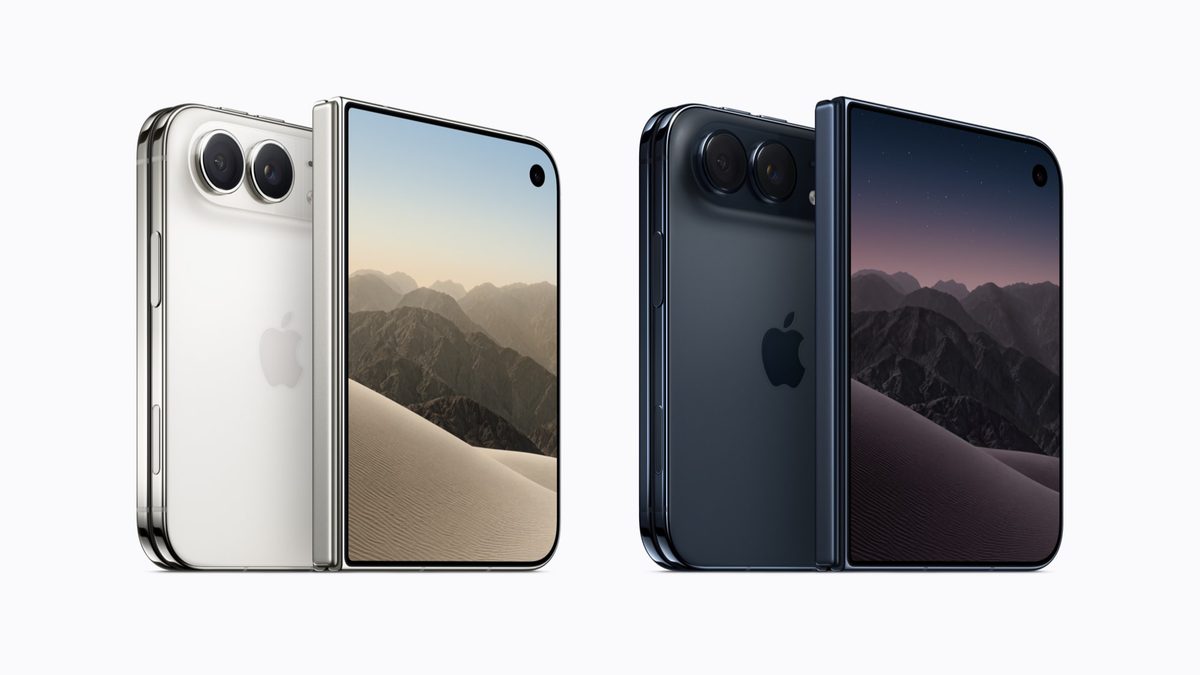
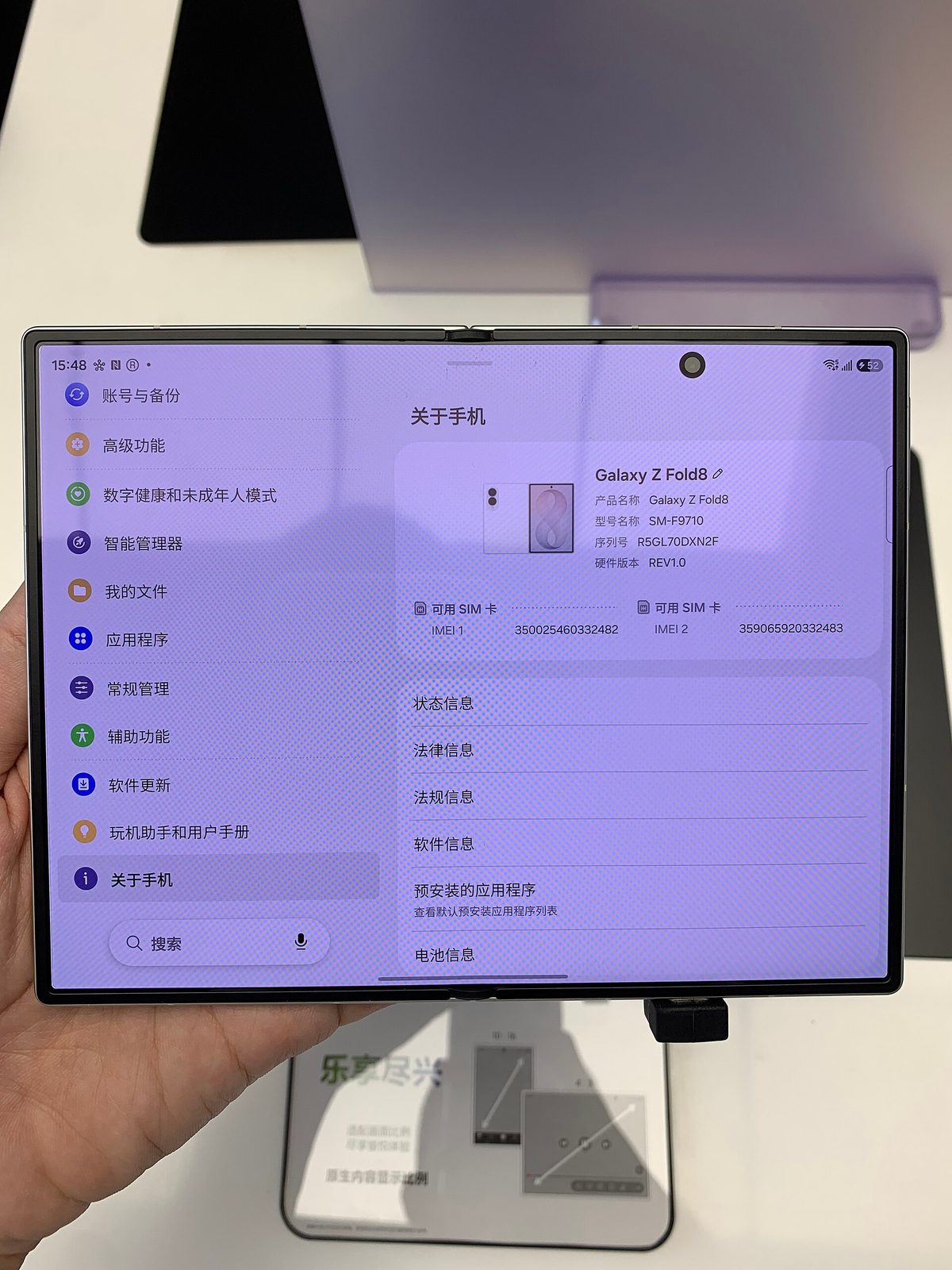
Apple's iPhone Duo and Samsung's Galaxy Z Fold8 are, for the first time, a genuinely close match on paper: both are book-style foldables with a roughly 7.6-inch inner display and a smaller cover screen, both run flagship silicon, and both launched within months of each other in 2026. The real differences show up in price, weight, and a few specific hardware choices each company made differently — not in which one is "the real foldable."
Pricing, matched by storage tier
The iPhone Duo starts at $1,999 for 256GB in the US, per GSMArena's listing, climbing to $3,199 for the 2TB model (512GB and 1TB sit between). The Galaxy Z Fold8 starts at $1,899 for 256GB — a genuine $100 cheaper at the entry point — and Samsung and Best Buy were both discounting that same 256GB configuration to $1,699.99 as of mid-October 2026, a $200 cut from list. At matched storage, Samsung's foldable is the cheaper phone before any sale, and meaningfully cheaper once a retailer discount is factored in.
Displays: nearly identical inner screens, different cover screens
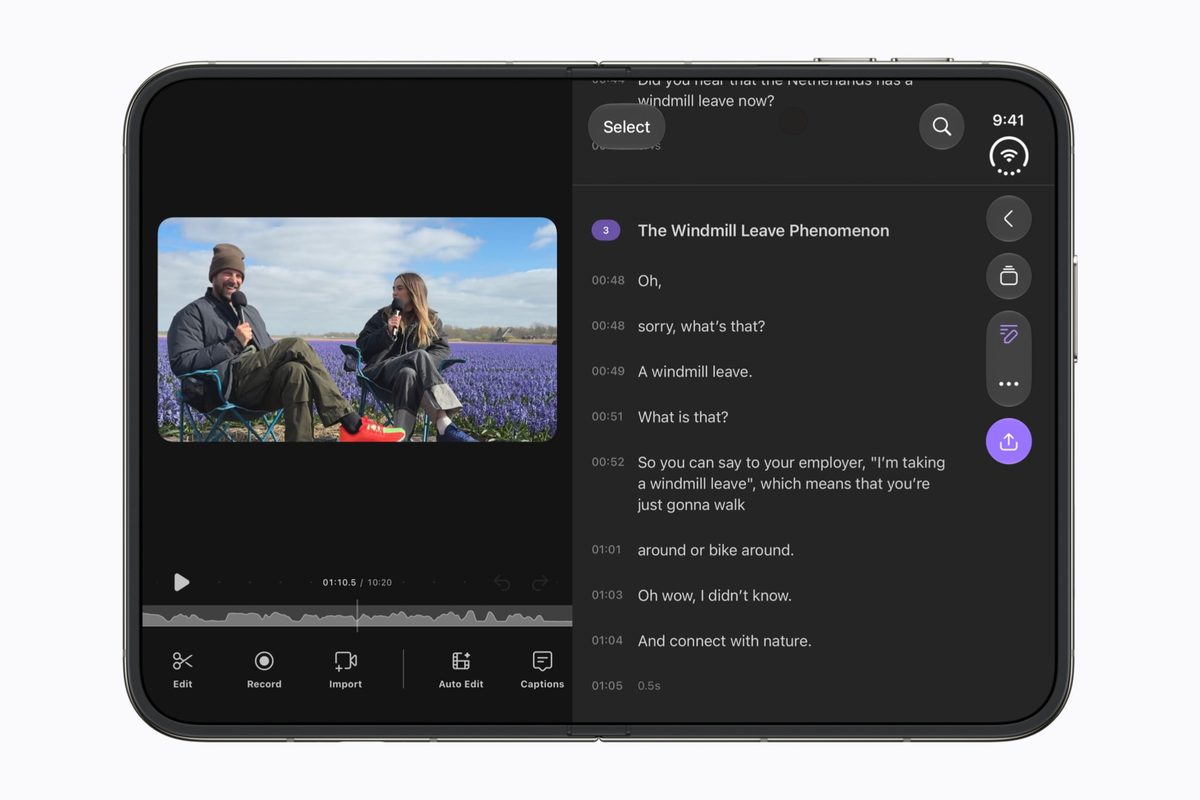
Both phones use LTPO OLED panels inside and out with 120Hz refresh rates. The iPhone Duo's inner display is 7.6 inches at 1878x2670 (~430 ppi), with a 5.4-inch cover screen at 1398x2034 (460 ppi). The Z Fold8's inner display is also 7.6 inches, at 2448x1848 in a 4:3 ratio (~404 ppi), with a larger 5.5-inch cover display at 1248x1972 (428 ppi). The practical difference is aspect ratio and cover-screen size more than resolution: Samsung's cover display is a touch bigger and the inner panel is proportioned more like a small tablet, while Apple's inner display runs narrower and taller.
Chips and memory: both current-generation, RAM differs
The iPhone Duo runs Apple's A20 Pro (2nm) with 12GB of RAM across every storage tier. The Z Fold8 runs Qualcomm's Snapdragon 8 Elite Gen 5 (3nm), with 12GB of RAM on the 256GB/512GB/1TB models and 16GB paired with the 1TB option. Neither chip has been independently benchmarked against the other by a named lab as of this writing, so treat raw performance as roughly matched flagship silicon on both sides rather than a settled gap.
Cameras: similar resolution, different lens pairings
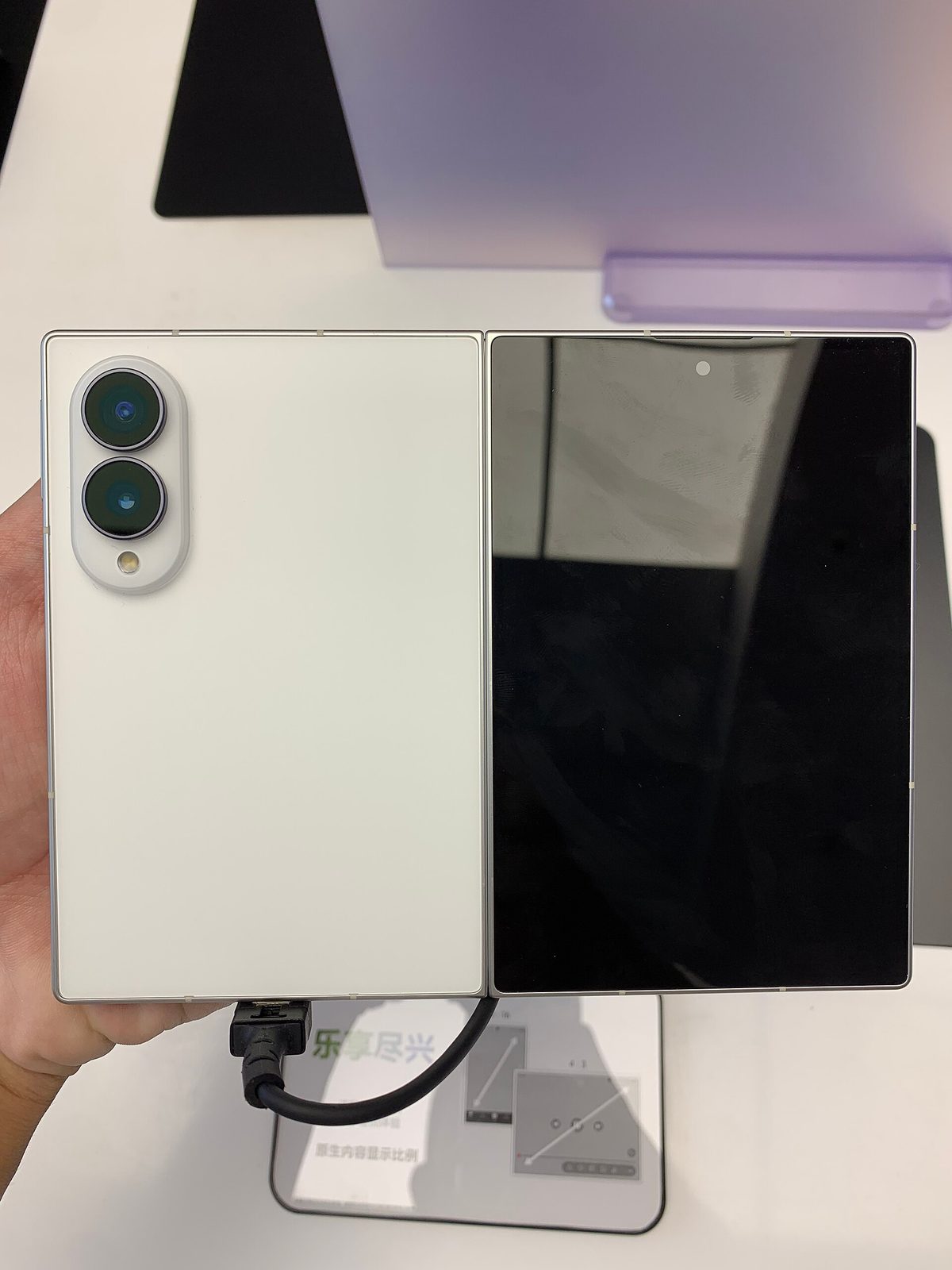
Both phones keep it to two rear lenses. The iPhone Duo pairs a 48MP f/1.6 wide lens with OIS and a 48MP f/2.2 ultrawide, plus a 12MP f/2.2 cover camera and an under-display selfie camera inside. The Z Fold8 pairs a 50MP f/1.8 wide with a 50MP f/1.9 ultrawide, plus 10MP selfie cameras on both the inner and cover displays. Neither device has a telephoto lens, which is the real camera story on both foldables: this generation of book-style folds is still built around wide-and-ultrawide pairs rather than the triple-camera systems their non-folding flagship siblings carry.
Battery, charging, and weight — the biggest practical gap
The iPhone Duo packs a 4883mAh battery, rated by GSMArena at roughly 51.5 hours of endurance testing, with 50% wired charging in 20 minutes over USB-C PD3.2 and 25W MagSafe/Qi2 wireless charging. The Z Fold8 carries a slightly smaller 4800mAh battery, charging to 63% in 30 minutes over 45W wired, with 20W wireless and 4.5W reverse wireless charging. Weight is where the two phones actually diverge the most: the Z Fold8 weighs 201 grams, which Samsung markets as the lightest Fold it has made, while the iPhone Duo weighs 254 grams — 53 grams, or roughly 26%, heavier. For a device meant to be held open like a small tablet for extended reading or video, that's a real, noticeable difference in hand, not a spec-sheet footnote.
Biometrics: Apple skips Face ID entirely
This is the one genuine design philosophy gap between the two. Samsung continues Face ID's usual Android counterpart — an under-display fingerprint reader alongside 2D face recognition — on the Z Fold8. Apple, breaking with every iPhone since the iPhone X, put the Duo's only biometric unlock in a side-mounted fingerprint sensor built into the power button, skipping Face ID entirely on this model. Whether that's a dealbreaker depends entirely on how attached a buyer is to Face ID specifically; functionally, a side fingerprint reader unlocks just as fast, but it is a real change from how every other current iPhone works, and FaceTime calls and authentication flows built around Face ID will behave differently on this specific model.
Durability and water resistance
Samsung rates the Z Fold8 at IP48 — dust protection against particles over 1mm and water-immersion resistance to 1.5 meters for 30 minutes. Apple rates the iPhone Duo at IP68, the stricter standard, with resistance to immersion up to 6 meters for 30 minutes. On paper, Apple's rating covers deeper, more sustained water exposure; both still carry the lower "4" or no formal dust digit some non-folding flagships use, since folding mechanisms make a fully sealed dust rating harder to achieve than on a slab phone.
Storage and expansion
Neither phone offers expandable storage, so the tier picked at purchase is permanent on both. The iPhone Duo's range runs 256GB, 512GB, 1TB, and 2TB, topping out at $3,199. The Z Fold8 runs 256GB, 512GB, and 1TB, with the 1TB model exclusively paired with the extra 16GB of RAM rather than offered at every memory tier. Buyers who know they want the largest possible storage footprint have one more option on the Apple side with the 2TB tier; buyers who want the most RAM specifically have to buy into Samsung's top storage tier to get it, rather than being able to pick RAM and storage independently on either phone.
Who should buy which
The Z Fold8 is the stronger pick for anyone who wants the lighter device to actually hold open for reading or multitasking, who's shopping on price and wants to save $100 at list — or considerably more at a discounted retailer — or who wants a familiar Android fingerprint-plus-face unlock setup. The iPhone Duo is the stronger pick for anyone already committed to iOS and Apple's ecosystem, who wants the stricter IP68 water resistance, or who specifically wants Apple's new side-button fingerprint approach over learning a new unlock method on a platform they're already leaving behind if they'd otherwise switch to Android. Neither phone is a clear universal winner on hardware alone — the honest framing is that Samsung wins on price and weight, Apple wins on water resistance, and the choice mostly comes down to which ecosystem a buyer is already in rather than which fold is objectively "better."
| Specs | iPhone Duo | Galaxy Z Fold8 |
|---|---|---|
| Starting price (256GB) | $1,999 | $1,899 ($1,699.99 discounted, Oct. 2026) |
| Inner display | 7.6" LTPO OLED, 1878x2670, 430 ppi | 7.6" LTPO OLED, 2448x1848 (4:3), 404 ppi |
| Cover display | 5.4" LTPO OLED, 1398x2034, 460 ppi | 5.5" LTPO OLED, 1248x1972, 428 ppi |
| Chipset | Apple A20 Pro (2nm) | Snapdragon 8 Elite Gen 5 (3nm) |
| RAM | 12GB (all storage tiers) | 12GB (256GB-1TB) / 16GB (1TB) |
| Rear cameras | 48MP wide + 48MP ultrawide | 50MP wide + 50MP ultrawide |
| Battery | 4883 mAh, ~51.5h GSMArena endurance | 4800 mAh |
| Wired charging | 50% in 20 min (PD3.2) | 63% in 30 min (45W) |
| Weight | 254 g | 201 g |
| Biometrics | Side-button fingerprint, no Face ID | Under-display fingerprint + face unlock |
| Water resistance | IP68 (6m / 30 min) | IP48 (1.5m / 30 min) |
Related devices
Related articles
- Pixel Watch 5 vs Pixel Watch 4: What's the Difference? A $50 Price Increase Buys More RAM and Storage, and Not Much Else
- Verizon's iPhone Handoff Fee: $10/Month, Double T-Mobile — The Feature Works With the iPhone Duo and iPhone 18 Pro, and AT&T Isn't Supporting It at All
- Galaxy Z Fold8 vs Z Fold7: What's the Difference? The Newer One Is $100 Cheaper, 14 Grams Lighter, and Drops the Telephoto Lens Entirely
- iPhone Duo Launch: Ternus's First as Apple CEO — He Opened the Austin Store Instead of the Fifth Avenue Flagship Tim Cook Always Chose