iPhone Duo vs Pixel 11 Pro Fold: Which Should You Buy? One Has a Real Telephoto Camera, the Other Has 60W Charging and Apple Pencil Support
Two very different foldables arrived within weeks of each other this fall, and the gap between them is bigger than the price difference suggests
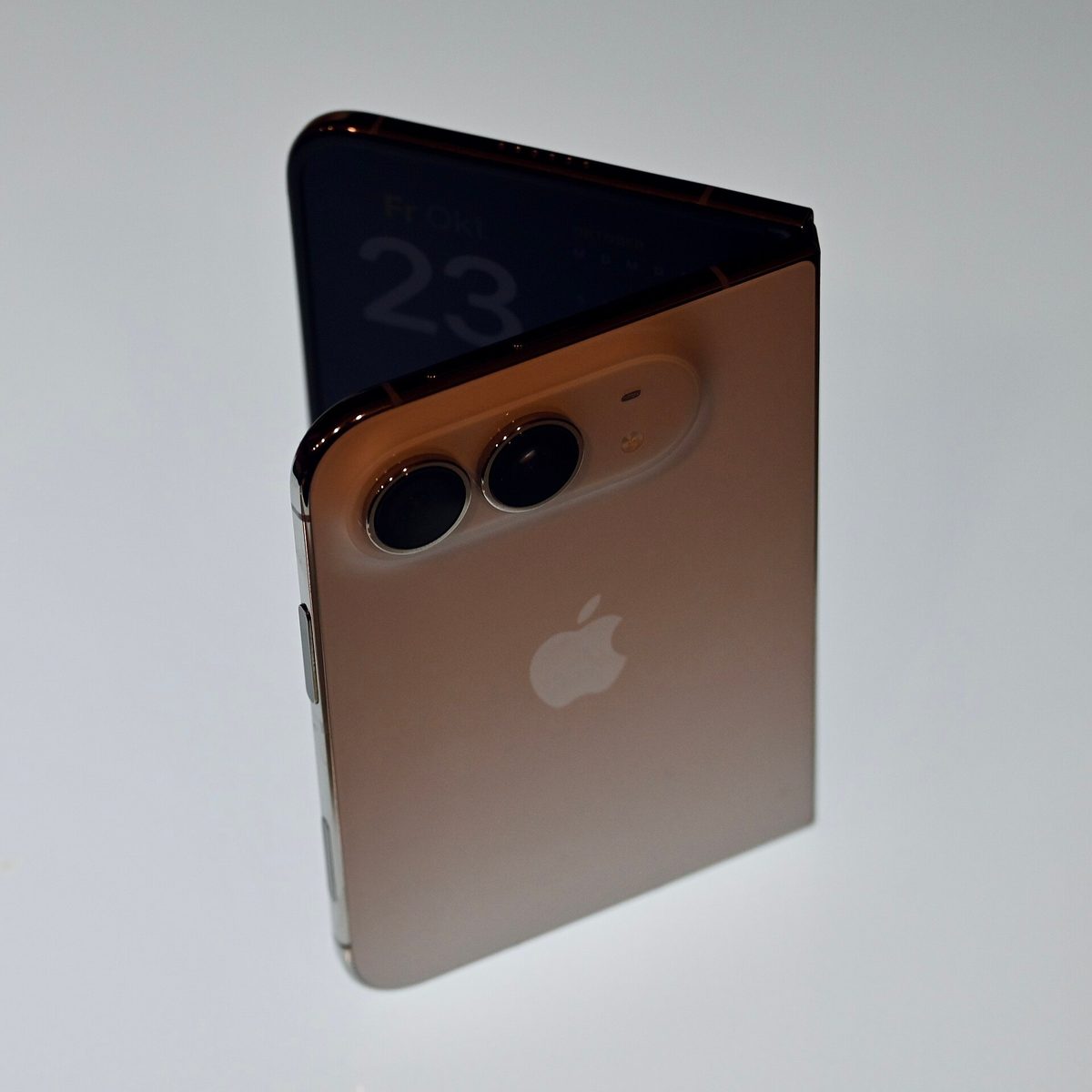
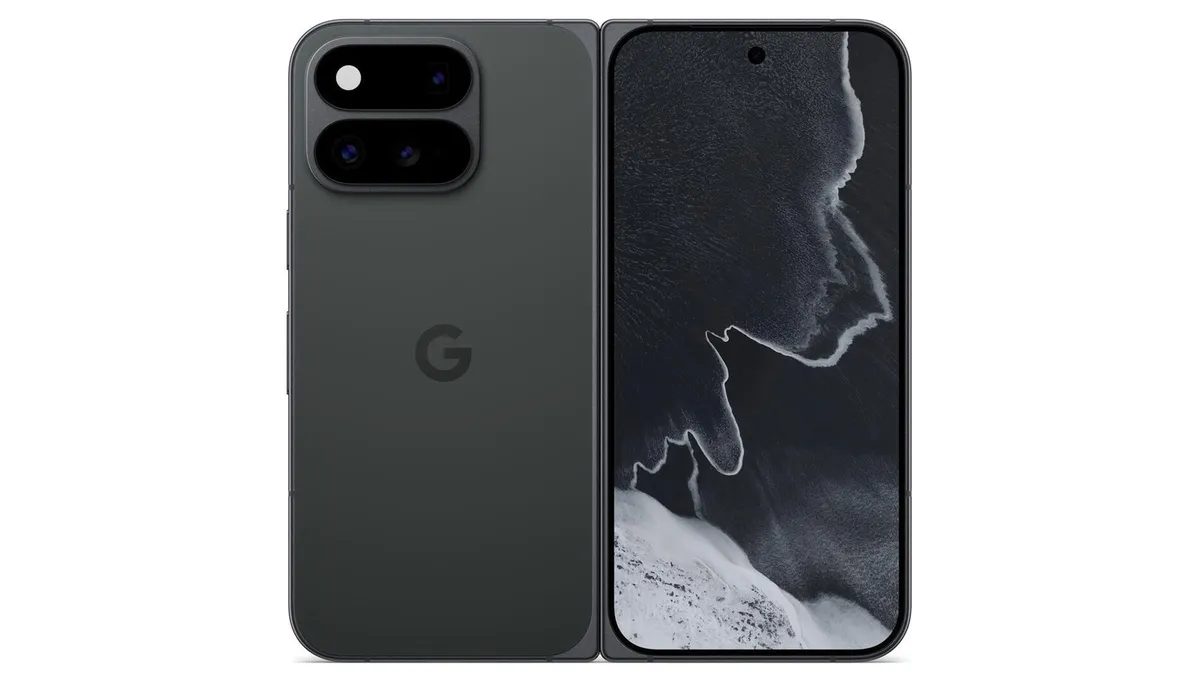
Apple's iPhone Duo launched October 23, 2026, about six weeks after Google's Pixel 11 Pro Fold hit shelves on August 28. Both are book-style foldables with an outer cover screen and a larger inner display, and both now carry an IP68 rating for dust and water resistance. Past that, the two phones make different bets on what a folding phone is actually for.
Shape matters more than it sounds like it should with foldables. The iPhone Duo opens like a small book turned sideways — short and wide when folded, roughly phone-shaped when open. The Pixel 11 Pro Fold is taller and narrower in both states, closer to how a conventional smartphone feels in the hand when closed, which is part of why its cover screen reads as more usable day to day rather than just being a notifications strip.
Price
The Pixel 11 Pro Fold starts at $1,899 for 256GB, rising to $2,019 for 512GB and $2,249 for 1TB, all with 16GB of RAM. The iPhone Duo starts $100 higher at $1,999 for 256GB, and the gap widens at the top: $2,199 for 512GB, $2,599 for 1TB, and a 2TB option Google doesn't offer at all for $3,199. At every matching storage tier, the Pixel is cheaper — by $100 to $350 depending on capacity.
Displays
Both phones use 120Hz OLED panels on both screens, but the proportions differ. The iPhone Duo's inner display is 7.6 inches with a nano-texture coating option for glare reduction; its outer display is 5.4 inches, closer to a compact phone when folded. The Pixel 11 Pro Fold's inner display is slightly larger at 8.0 inches, edging into small-tablet territory, and its 6.4-inch cover screen is meaningfully bigger than the Duo's outer display — more usable as a normal phone screen without unfolding for things like replying to messages or browsing.
Cameras: the biggest functional gap
This is where the two phones diverge most. The iPhone Duo's rear camera system is a 48MP main sensor paired with a 48MP ultra-wide — and nothing else. There is no telephoto lens at all, a first for a current flagship-tier iPhone. The Pixel 11 Pro Fold carries a 48MP main camera, a 10.5MP ultra-wide with macro capability, and a dedicated 10.8MP telephoto with 5x optical zoom, with Google's software-assisted "Super Res Zoom" extending reach digitally beyond that. For anyone who regularly zooms in on a shot — kids' sports games, concerts, wildlife, distant architecture — the Pixel has a real advantage that no software processing on the iPhone side can close, because the iPhone simply lacks the hardware.
Battery and charging
Apple hasn't published a cell capacity for the iPhone Duo's dual-battery system, but rates it for up to 24 hours of typical use, up to 44 hours of video playback using the outer display, or 31 hours using the inner display. Charging is fast: 60W wired gets the Duo to 50% in about 20 minutes, with 25W wireless charging via MagSafe or Qi2. The Pixel 11 Pro Fold's battery is a specified 4,806mAh, charging at 30W wired with Qi2 wireless support — slower on paper than the Duo's wired speed, though Google doesn't publish a 50%-in-X-minutes figure for direct comparison. Apple's charging speed is the clearer advantage here; battery life claims aren't directly comparable since Apple measures in hours-of-use scenarios while Google publishes raw capacity.
Performance
Apple's A20 Pro is built on a 2nm process and Apple says it delivers up to 35% better sustained performance than the A19 Pro in last year's iPhone 17 Pro — sustained, not peak, meaning the gain shows up more in longer tasks like video export or extended gaming sessions than in a quick burst of app-switching. Google's Tensor G6 powers the Pixel 11 Pro Fold and the rest of the Pixel 11 line; Google has historically prioritized machine-learning and camera-processing performance on Tensor chips over raw benchmark scores, which lines up with the Pixel's camera-forward pitch here. Neither company has published a head-to-head benchmark against the other's chip, so treat any specific numbers you see elsewhere as third-party lab results rather than claims either company stands behind.
Biometrics and software
Apple made an unusual call on the Duo: it drops Face ID entirely in favor of Touch ID built into the side power button, the first time a current flagship iPhone has shipped without face-based unlock. The Pixel 11 Pro Fold keeps both an in-screen fingerprint sensor and Class 3 face unlock — secure enough for banking apps — on both its inner and outer cameras, and 9to5Google's testing found the latest version notably improved in low light. On software support, Google explicitly commits to 7 years of OS, security, and Feature Drop updates for the Pixel 11 Pro Fold. Apple has not published a specific support-length commitment for the iPhone Duo, though its iPhones have historically received major iOS updates for roughly 6 years based on past models.
Durability claims versus real-world testing
Google says the Pixel 11 Pro Fold was re-engineered to be three times stronger than its predecessor, with a glass-fiber composite back, a gearless hinge Google says survives millions of open-close cycles, and a ceramic-glass outer display it calls Super Actua. In practice, the claim didn't fully hold up: a bend test by YouTuber JerryRigEverything, reported by Android Authority on August 24, 2026, found the phone cracked along both antenna lines next to the hinge — the same weak point that broke the original Pixel Fold, the Pixel 9 Pro Fold, and the Pixel 10 Pro Fold in earlier tests. The outer display reportedly detached entirely, and fine dust worked its way into the hinge area despite the IP68 rating. That's an extreme stress test, not how most owners will treat a $1,899-plus phone, but it's a useful reality check against the marketing claim, and it's worth noting Apple hasn't published a comparable durability figure for the iPhone Duo's hinge to compare against either way.
What each phone adds that the other doesn't
The iPhone Duo supports Apple Pencil over USB-C, a first for any iPhone, added via the iOS 27.2 update that landed October 26 — useful for anyone who wants to take handwritten notes or sketch on the unfolded display. The Pixel 11 Pro Fold's pitch is closer to "a normal flagship phone that also folds": Google says the chassis is meaningfully more durable than its predecessor, and the bigger cover screen means less reason to unfold it for routine tasks.
Which one to buy
Buy the Pixel 11 Pro Fold if photography is a real priority — the 5x optical telephoto is not a close call against a phone with no telephoto lens at all — or if you want the larger, more usable cover screen and would rather pay $100 to $350 less for comparable core specs. The explicit 7-year update commitment also matters if you tend to keep phones a long time rather than upgrading every year or two.
Buy the iPhone Duo if you're already inside Apple's ecosystem (Mac, Apple Watch, iMessage, Apple Pencil compatibility across devices) and that integration matters more to you than camera flexibility, or if faster wired charging and stylus support outweigh the price gap and the missing zoom lens. Neither phone is a clear universal winner — they're built around different priorities, and which one is "better" depends entirely on whether you'd rather have the telephoto lens and the lower price, or the ecosystem fit and the stylus.
| Specs | iPhone Duo | Pixel 11 Pro Fold |
|---|---|---|
| Price (256GB) | $1,999 | $1,899 |
| Price (1TB) | $2,599 | $2,249 |
| Chip | A20 Pro (2nm) | Tensor G6 |
| Inner display | 7.6" OLED, 120Hz | 8.0" OLED, 120Hz |
| Cover/outer display | 5.4" OLED, 120Hz | 6.4" OLED, 120Hz |
| Rear cameras | 48MP main + 48MP ultra-wide (no telephoto) | 48MP main + 10.5MP ultra-wide + 10.8MP 5x telephoto |
| Battery | Not disclosed; up to 24h typical use | 4,806 mAh |
| Wired charging | 60W (50% in ~20 min) | 30W |
| Biometrics | Touch ID only (no Face ID) | Fingerprint + Class 3 Face Unlock |
| Water/dust resistance | IP68 | IP68 |
| OS update commitment | Not specified by Apple | 7 years |
| Stylus support | Apple Pencil (USB-C), added iOS 27.2 | No official stylus |
Related devices
Related articles
- iPhone Duo vs Galaxy Z Fold8: Which Should You Buy? They're $100 Apart, and the Cheaper One Is Also 53 Grams Lighter
- Galaxy Z Fold8 vs Z Fold7: What's the Difference? The Newer One Is $100 Cheaper, 14 Grams Lighter, and Drops the Telephoto Lens Entirely
- iPhone Duo Launch: Ternus's First as Apple CEO — He Opened the Austin Store Instead of the Fifth Avenue Flagship Tim Cook Always Chose
- Apple Caps iPhone Duo Orders at 2, Ships Push to January — Demand for Apple's First Foldable Outstripped Supply Within Minutes of Preorders Opening
Sources
- Macworld — iPhone Duo: folding design, price, specs, release date
- MacRumors — iPhone Duo is dust-tight with IP68 rating
- Droid Life — Pixel 11 series specs and prices
- 9to5Google — Face Unlock on Pixel 11 series works better in low light
- Android Authority — Pixel 11 Pro Fold cracks in bend test despite Google's '3x stronger' claims
- ShaneCraig.Tech — Pixel 11 Pro Fold tips (fingerprint and biometric setup)