iPhone 18 Pro vs. Pixel 11 Pro: A Faster Chip and Longer Battery Against a Far Brighter Screen and $100 Off
Two 6.3-inch Pro phones, $100 apart. The lab numbers split them more clearly than the spec sheets do, and the right pick depends on what you do outdoors, how you charge and how you shoot.
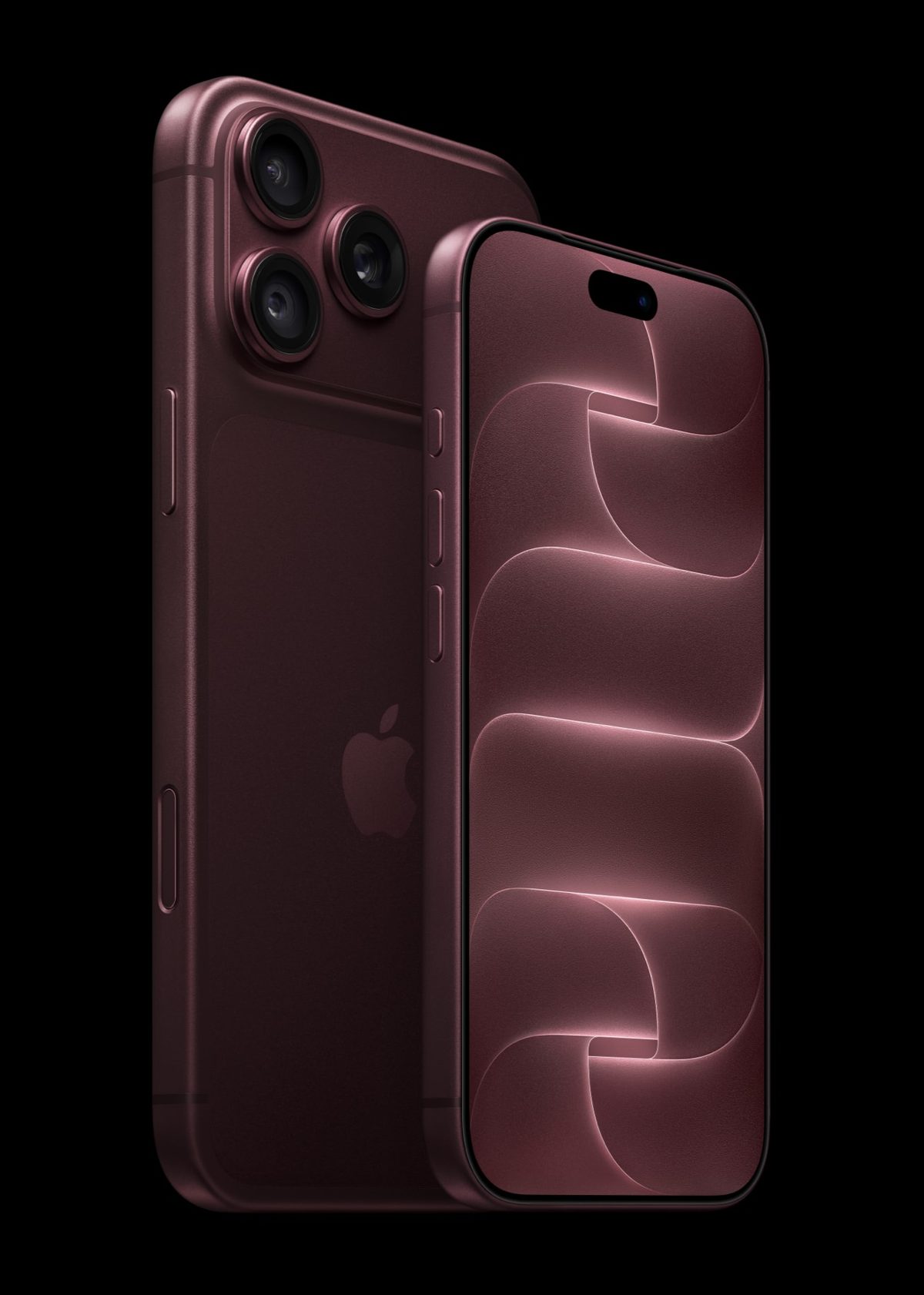
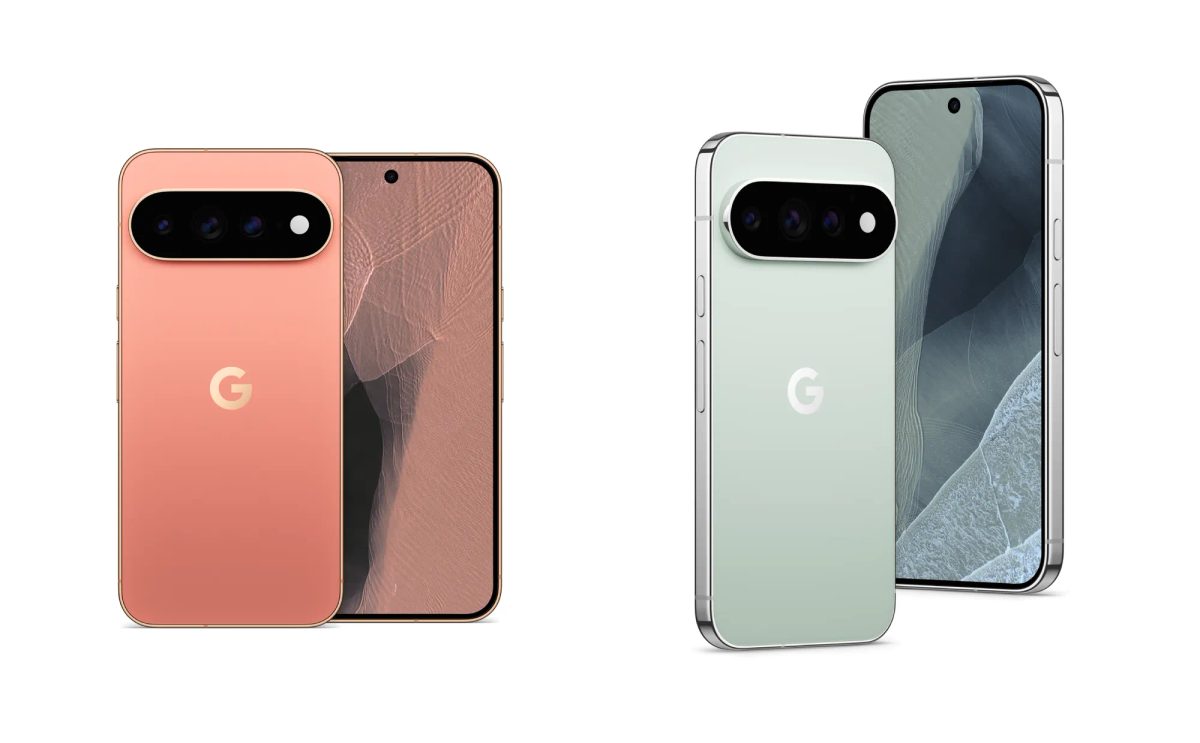
The iPhone 18 Pro and the Pixel 11 Pro are the two small Pro phones most people in the US will weigh against each other this fall. Both have a 6.3-inch 120 Hz OLED screen, 12 GB of RAM, 256 GB of base storage, three rear cameras, IP68 protection and 25 W magnetic wireless charging. On paper they are close. The independent measurements published since launch are not, and they pull in different directions: the iPhone is much faster and lasts longer, the Pixel has a dramatically brighter display and costs less. This comparison uses GSMArena's lab tests, DXOMARK's camera scores and each maker's own specifications, all as published by September 30, 2026.
Start with price. Apple sells the iPhone 18 Pro from $1,199 with 256 GB, with 512 GB, 1 TB and 2 TB options above that. Google's Pixel 11 Pro starts at $1,099 for 256 GB and 12 GB of RAM, with 512 GB and 1 TB versions, the 1 TB model getting 16 GB of RAM. So the base models differ by $100 for the same storage. The Pixel went on sale on August 20 and the iPhone on September 18, and carrier trade-in deals on both change the effective price far more than the list price does, so check those before deciding on price alone.
The biggest measured difference is the screen, and it favors the Pixel by a wide margin. GSMArena recorded 2,425 nits on a 75 percent white patch at maximum manual brightness on the Pixel 11 Pro, against 783 nits on the iPhone 18 Pro. In automatic mode, the setting that kicks in under direct sun, the Pixel reached 2,426 nits and the iPhone 971. On a small bright highlight the Pixel peaked at 3,283 nits and the iPhone at 2,769. In practice that is the difference between a screen that stays easy to read on a sunny sidewalk or a beach and one you shade with your hand. The Pixel's panel is also slightly sharper, at 1280 by 2856 pixels against the iPhone's 1206 by 2622, though at this size neither shows visible pixels.
Battery life goes the other way. GSMArena gave the iPhone 18 Pro an Active Use Score of 16 hours 43 minutes and the Pixel 11 Pro 15 hours 38 minutes, which GSMArena calls roughly in line with the competition. An hour a day is noticeable if you are a heavy user who ends the evening near empty. There is also a caveat that helps the iPhone further: GSMArena tested the physical-SIM iPhone with a 4,056 mAh battery, while the US model is eSIM-only and carries a 4,288 mAh cell, according to GSMArena's spec sheet. The Pixel's battery is 4,850 mAh, so Apple gets more runtime out of a smaller cell, which is a point in favor of the A20 Pro's efficiency.
Charging also favors the iPhone, clearly. With a 45 W USB Power Delivery charger, GSMArena measured the iPhone 18 Pro at 42 percent after 15 minutes, 74 percent after 30 and full in 1 hour 2 minutes. The Pixel 11 Pro, capped at 30 W, reached 30 percent after 15 minutes, 59 percent after 30 and full in 1 hour 20 minutes. GSMArena calls the Pixel's 30 W cap disappointing for a flagship in 2026. If you top up in short bursts, before leaving the house or at a desk, the iPhone gives you meaningfully more in the same few minutes. On a wireless pad the two are equal on paper, both rated at 25 W.
Performance is the most one-sided category. In GSMArena's Geekbench 6 run, the iPhone 18 Pro scored 4,732 single-core and 12,641 multi-core, against 2,701 and 7,415 for the Pixel 11 Pro. In 3DMark's Wild Life Extreme graphics test, the iPhone peaked at 7,942 points and the Pixel at 3,452. For browsing, messaging and photos, both are fast enough that you will not feel the gap. It shows up in games, video exports and on-device photo processing. The iPhone throttles harder under sustained load, holding 48 percent of its peak in the 3DMark stress test against the Pixel's 67 percent, but 48 percent of 7,942 is still about 3,800 points, above the Pixel's best result. GSMArena also notes that the Pixel's new GPU performs roughly as before and has no hardware ray tracing.
The cameras are close in hardware and differ in emphasis. The iPhone 18 Pro has a 48 MP main camera with a variable aperture that Apple lists as f/1.48 to f/4, a 48 MP ultrawide and a 48 MP periscope telephoto at 4x. The Pixel 11 Pro has a 50 MP main camera at f/1.7, a 48 MP ultrawide and a 48 MP telephoto at 5x, which Google enlarged this year. For selfies, the Pixel's 42 MP front camera has more resolution than the iPhone's 18 MP one. The variable aperture is the iPhone's real novelty: stopping down lets it keep several people or a close subject and its background sharp in one shot, where a fixed wide aperture blurs one of them.
The lab scores are uneven, and it is worth being exact about them. DXOMARK scored the iPhone 18 Pro's camera 172, praising its low-light results, dynamic range and stabilization, and criticizing long-range telephoto detail, frequent flare and the lack of a portrait blur effect at night. DXOMARK has not tested the Pixel 11 Pro. It has tested the larger Pixel 11 Pro XL, a different model, which scored 168, and in its iPhone 18 Pro report DXOMARK names the Pixel 11 Pro XL among the phones that hold more detail at long zoom. That points to the Pixel's longer 5x lens as the better choice if you shoot a lot of distant subjects, but it is not a measured result for the phone compared here.
For video, the iPhone remains the stronger tool. GSMArena's spec sheet lists 4K recording at up to 120 frames per second with Dolby Vision on the iPhone 18 Pro, and Apple adds post-capture Cinematic effects at up to 60 frames per second and 4K Dolby Vision HDR time-lapse. If you film your kids' games or edit video on the phone, that is the camera to buy. If you mostly take photos and want the longer zoom, the Pixel's case is stronger.
Each maker also added one camera feature this year that changes how the phone behaves rather than what it measures. Google says Night Sight on the Pixel 11 series now captures up to four and a half times faster. Night mode's weakness has always been the second or two you have to hold still, so a shorter capture means fewer blurred shots of people who will not stay put in a dim restaurant or at a party. Apple's addition is quieter: an opt-in Apple Reference Image setting that stores signed data from the sensor with a photo, so its origin can be checked later. That will not make anyone's pictures look better, but it is the first attempt by a phone maker to let an ordinary photo prove it is unedited, which matters more each year as edited and generated images spread. Apple also reworked Photographic Styles with new texture and grain controls, useful if you like to set a look once and shoot in it.
Software support is a closer call than it used to be. Google promises up to seven major Android updates for the Pixel 11 Pro, which ships with Android 17. Apple makes no written promise; the iPhone 18 Pro ships with iOS 27, and GSMArena expects at least seven major updates based on Apple's record. Both phones should stay current for most of a decade. The choice between iOS and Android usually matters more here than either promise: iMessage, AirDrop and an Apple Watch pull one way, Google's assistant features, call screening and a more open system pull the other.
In the hand they are nearly the same size and weight. The iPhone 18 Pro measures 150 by 71.9 by 8.8 mm and weighs 211 grams; the Pixel 11 Pro is 152.7 by 71.9 by 8.4 mm and 204 grams, so slightly taller, slightly thinner and 7 grams lighter. Both are rated IP68, with Apple rating the iPhone to 6 meters for 30 minutes and Google the Pixel to 1.5 meters. GSMArena measured both speakers at the same loudness, -26.5 LUFS. The Pixel adds satellite messaging and a new HiLight LED on the back that glows for notifications when the phone lies face down.
So which should you buy? Buy the iPhone 18 Pro if you want the longest battery life and the fastest charging of the two, if you play demanding games or shoot and edit video on your phone, or if you already live with a Mac, an Apple Watch or AirPods. It costs $100 more and its screen is far dimmer outdoors, so it suits people who spend most of their day indoors or in cars. Buy the Pixel 11 Pro if you use your phone outside a lot and want a screen that stays readable in full sun, if you take more distant photos where a 5x lens helps, or if you prefer Android and want to keep $100. Its battery and charging are merely good rather than the best, and its chip is much slower, but for photos, messages and maps neither of those gaps is one you will feel every day.
| Specs | iPhone 18 Pro | Pixel 11 Pro |
|---|---|---|
| US price, 256 GB (as of Sept 30, 2026) | $1,199 | $1,099 |
| Display | 6.3-inch LTPO OLED, 1206 x 2622, 120 Hz | 6.3-inch LTPO OLED, 1280 x 2856, 120 Hz |
| Brightness, 75% white, manual / auto (GSMArena) | 783 / 971 nits | 2,425 / 2,426 nits |
| Chip | Apple A20 Pro (2 nm) | Google Tensor G6 (3 nm) |
| Geekbench 6 single / multi (GSMArena) | 4,732 / 12,641 | 2,701 / 7,415 |
| 3DMark Wild Life Extreme peak / stability (GSMArena) | 7,942 / 48% | 3,452 / 67% |
| Battery | 4,056 mAh (SIM) / 4,288 mAh (US eSIM) | 4,850 mAh |
| Active Use Score (GSMArena) | 16:43h | 15:38h |
| Wired charging, 30 min / full (GSMArena) | 74% / 1:02h (45 W charger) | 59% / 1:20h (30 W) |
| Wireless charging | 25 W MagSafe / Qi2 | 25 W magnetic Qi2 |
| Main camera | 48 MP, f/1.48-f/4 variable aperture | 50 MP, f/1.7 |
| Telephoto | 48 MP, 4x periscope | 48 MP, 5x |
| Ultrawide / selfie | 48 MP / 18 MP | 48 MP / 42 MP |
| DXOMARK camera score | 172 | Not yet tested |
| OS / update policy | iOS 27 / no written promise | Android 17 / up to 7 OS updates |
| Size, weight | 150 x 71.9 x 8.8 mm, 211 g | 152.7 x 71.9 x 8.4 mm, 204 g |
| Water resistance | IP68 (6 m, 30 min) | IP68 (1.5 m, 30 min) |
Related devices
Related articles
- iPhone 17 vs. Galaxy S26: $100 Apart, and Closer Than the Spec Sheets Suggest
- iPhone 18 Pro Lab Results: 16:43h Battery Score and a 172 DXOMARK Camera Rating
- Google Pixel 10a vs. Samsung Galaxy A57: The $499 Pixel Outlasts and Outruns, the Samsung Is Bigger and Slimmer
- Sony WH-1000XM6 vs. Bose QuietComfort Ultra (2nd Gen): Two Labs Disagree on Battery, and Comfort Decides the Rest
Sources
- Apple Newsroom: Apple debuts iPhone 18 Pro and iPhone 18 Pro Max (September 9, 2026)
- Google: Google introduces Pixel 11, Pixel 11 Pro and Pixel 11 Pro XL
- GSMArena: Apple iPhone 18 Pro review, lab tests (September 25, 2026)
- GSMArena: Apple iPhone 18 Pro review, software and performance
- GSMArena: Apple iPhone 18 Pro full specifications
- GSMArena: Google Pixel 11 Pro review, lab tests (September 6, 2026)
- GSMArena: Google Pixel 11 Pro review, software and performance
- GSMArena: Google Pixel 11 Pro review
- DXOMARK: Apple iPhone 18 Pro camera test
- DXOMARK: Google Pixel 11 Pro XL camera test
- Google: 7 can't-miss updates from our Pixel 11 launch