iPhone 18 Pro Max vs Galaxy S26 Ultra: Which Should You Buy? A $100 Price Gap Buys a Faster Charge and 3 More Hours of Battery
Both are their maker's biggest, most expensive phone of 2026, and on independent lab testing, one of them is measurably ahead on battery, charging and camera score.
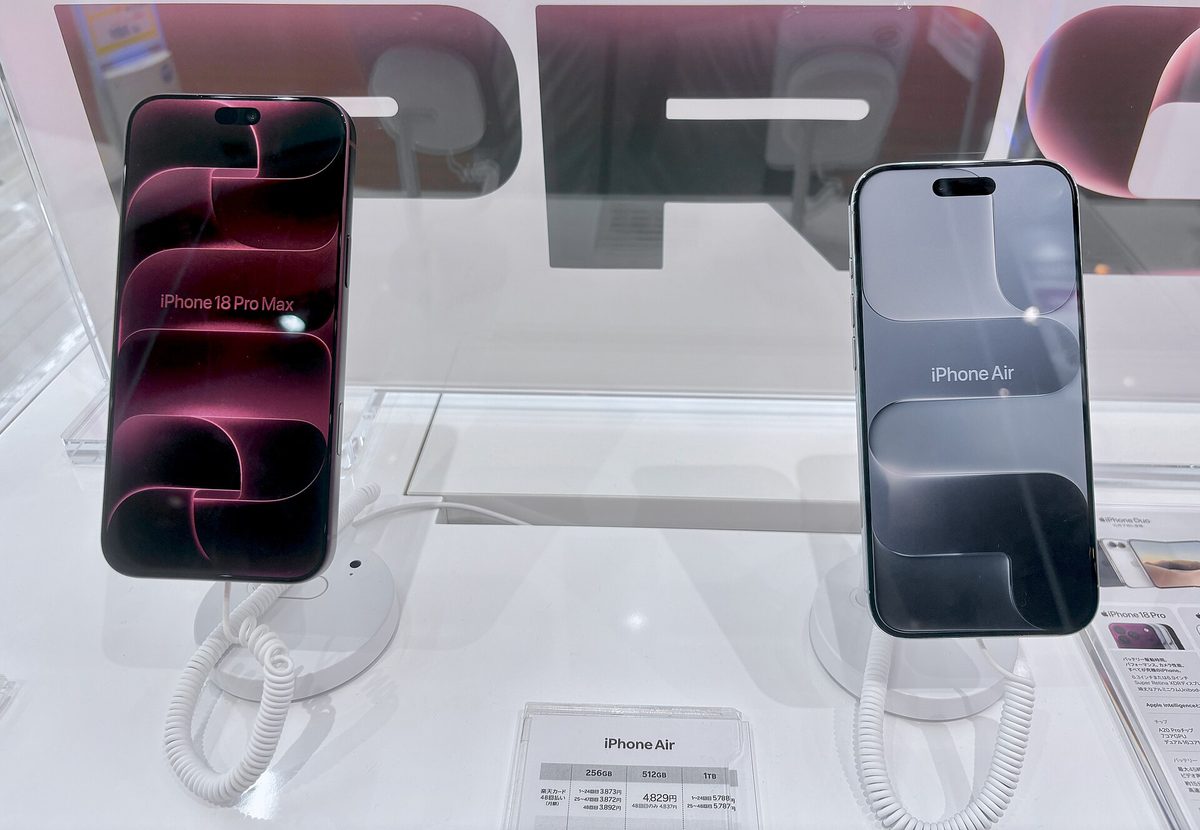
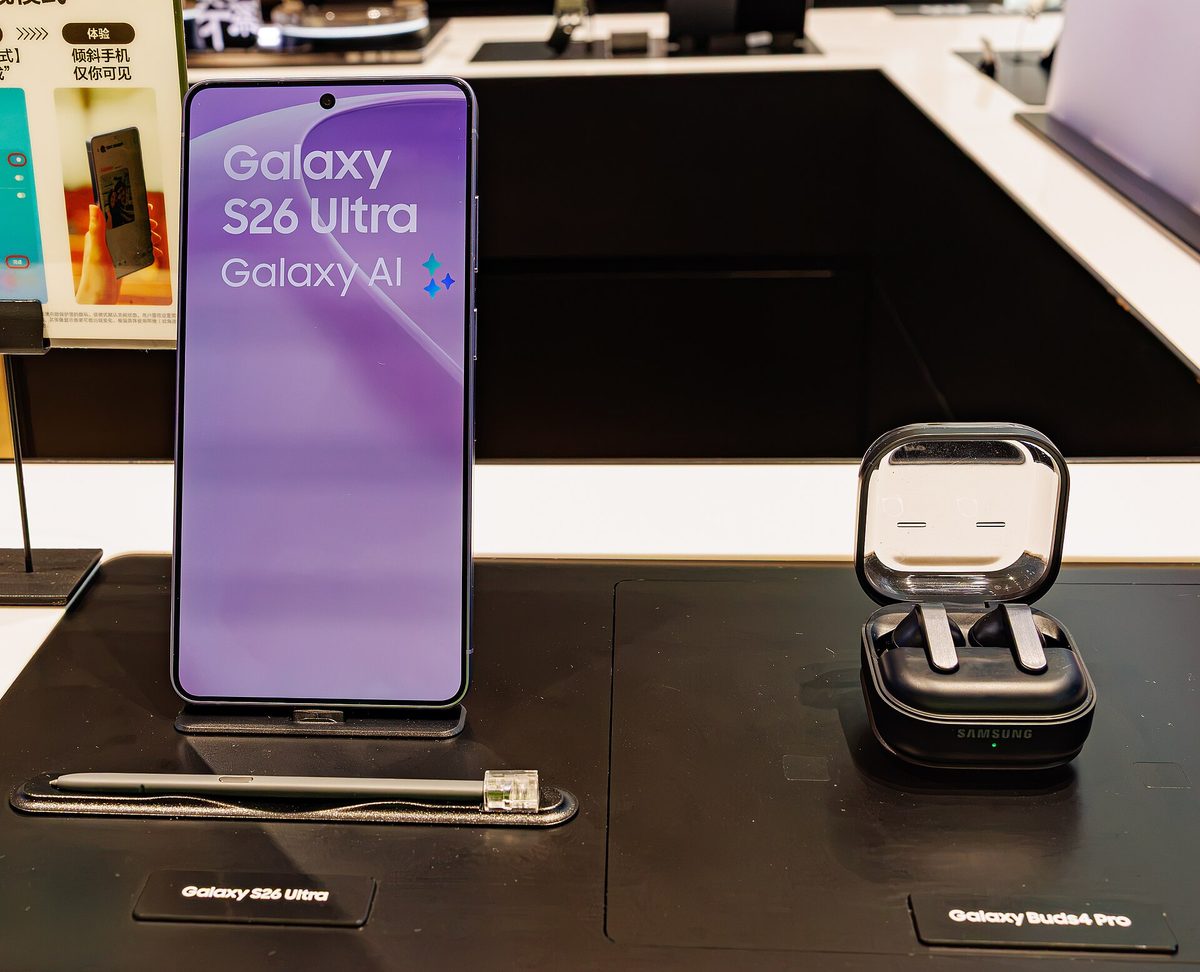
The iPhone 18 Pro Max and Galaxy S26 Ultra are each their brand's flagship-of-flagships for 2026, and they're priced close enough to invite a direct comparison: the iPhone 18 Pro Max starts at $1,299 for 256GB, the Galaxy S26 Ultra currently lists at $1,399.99 for the same storage tier on Samsung's own site (after an October 1, 2026 price increase from its own $1,299.99 launch price). On paper that's a small gap. On GSMArena's own independent lab results, the gap in actual measured performance is bigger than the price difference suggests.
Battery: a real, measured 3-hour gap
GSMArena's Active Use Score — its own standardized battery test — rates the iPhone 18 Pro Max at 19 hours 20 minutes, against 16 hours 23 minutes for the Galaxy S26 Ultra. That's a real 2 hour 57 minute difference from the same lab using the same methodology on both phones, and GSMArena credits the iPhone's gain specifically to better performance in call time and social media/web browsing scenarios compared to the outgoing iPhone 17 Pro Max, a gap that widens further against the Galaxy S26 Ultra.
Charging: both fast, the iPhone finishes sooner
Both phones charge quickly by current standards, but GSMArena's own charging tests show the iPhone pulling ahead at the finish: the iPhone 18 Pro Max hit 50% in 15 minutes, 81% in 30 minutes, and reached full charge in 55 minutes. The Galaxy S26 Ultra actually charges faster in the opening minutes — 51% at 15 minutes, 84% at 30 — but GSMArena's own full-charge time for the Samsung phone comes in at 43 minutes against the iPhone's 55, so for anyone specifically topping up in short bursts, the Galaxy is faster early; for anyone charging from low to full in one sitting, the numbers land close enough that it isn't a clear win either way.
Display: Samsung brighter in daily use, Apple brighter at the peak
The Galaxy S26 Ultra's 6.9-inch panel measured 1,480 nits in adaptive auto-brightness mode against the iPhone 18 Pro Max's 969 nits in the same mode — a real, noticeable gap in how bright the screen gets for ordinary daily use with auto-brightness on, which is how most people actually run their phone. The iPhone pulls ahead only at the extreme: GSMArena measured its peak brightness at 2,722 nits in direct sunlight with the auto-brightness system pushed to its limit, still short of the Galaxy's measured 2,800 nits ceiling, with both phones claiming higher official peak figures than what GSMArena's own testing recorded. For anyone who leaves their phone on auto-brightness, which is most owners, the Galaxy's screen measures meaningfully brighter day to day.
Camera: DXOMARK gives the iPhone a real, if narrow, lead
DXOMARK scores the iPhone 18 Pro's camera system (shared with the Pro Max) at 172 overall — 171 for photo, 176 for video, the highest video score in DXOMARK's database — placing it 2nd globally, three points behind the Huawei Pura 80 Ultra. The Galaxy S26 Ultra scores 157 overall (160 photo, 153 video), ranking 22nd. That's a real 15-point gap on the same testing scale, and it's led specifically by video: the iPhone's 176 video score is a bigger advantage over the Galaxy's 153 than the photo scores alone would suggest.
What the two phones are actually built around
The Galaxy S26 Ultra's case for itself is less about any single spec and more about the package: an S Pen built into the chassis, a 200MP main sensor with a dedicated 5x periscope lens alongside the 3x telephoto, and Samsung's own multi-year track record of software updates. The iPhone 18 Pro Max's case is tighter integration and, per the numbers above, a measurable edge in the specific areas GSMArena and DXOMARK can actually test independently — battery life, camera score, and (for a full charge) charging time.
Who should buy which
Buy the iPhone 18 Pro Max if battery life and camera performance, specifically video, are what you actually use a flagship phone's extra cost to buy, and you don't need an S Pen or a dedicated long-zoom lens the Galaxy's camera array still edges out in reach. Buy the Galaxy S26 Ultra if a genuinely brighter everyday screen, stylus input, or Samsung's ecosystem and software-update commitment matter more to your daily use than the roughly 3-hour battery gap GSMArena's own testing found — and if you're comparing street prices rather than list prices, it's worth checking current retailer pricing on both, since the $100 gap in official list price isn't necessarily the real gap you'll pay at checkout.
| Specs | iPhone 18 Pro Max | Galaxy S26 Ultra |
|---|---|---|
| Price (256GB, current list) | $1,299 | $1,399.99 |
| Battery (GSMArena Active Use Score) | 19h 20min | 16h 23min |
| Charging (0-100%, GSMArena) | 55 min | 43 min |
| Display brightness (adaptive auto) | 969 nits | 1,480 nits |
| DXOMARK camera score | 172 (rank 2) | 157 (rank 22) |
| Weight | 249g | 214g |
Related devices
Related articles
- iPhone 18 Pro vs Pixel 11 Pro: Which Should You Buy? A Faster Chip and Longer Battery Against a Far Brighter Screen and $100 Off
- iPhone 18 Pro vs iPhone 17 Pro: What's the Difference? A $310 Gap at Launch Buys an Hour More Battery and a Low-Light Camera Edge
- Galaxy S26 Ultra vs Galaxy S25 Ultra: What's the Difference? A $100 Price Gap at Launch Is Now the Gap Between Current List Prices Too
- Pixel 11 vs Galaxy S26: Which Should You Buy? — The Pixel Has the Brighter Screen and Wireless Charging, the Samsung Is 30 Grams Lighter and Faster